
In the vibrant world of Early Childhood Development, music and movement are more than playful moments — they’re building blocks for lifelong learning. From baby bounces to toddler twirls, engaging in early childhood music and movement activities helps children develop cognitively, physically, and emotionally.
How Music Enhances Cognitive Development
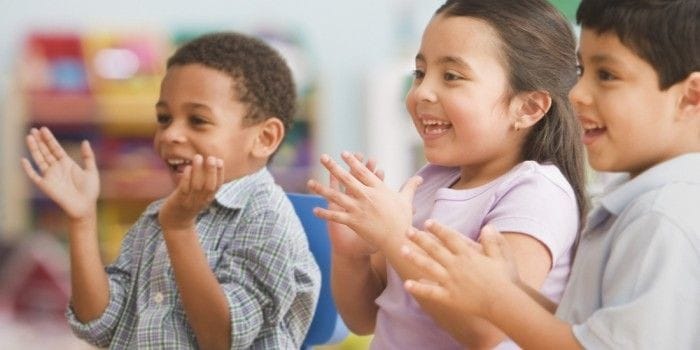
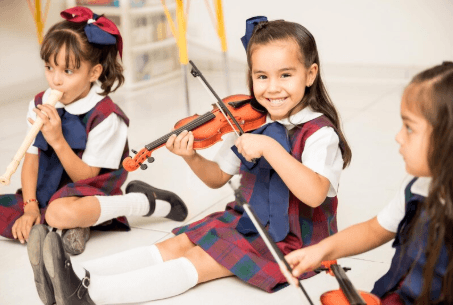
Music activates multiple parts of the brain, improving memory, pattern recognition, and attention span. Early childhood music engages kids in rhythm, rhyme, and repetition—all of which are crucial for early literacy and language development.
Practical Ideas:
- Sing “If You’re Happy and You Know It” with matching actions.
- Let kids play with rhythm sticks or shakers to explore tempo and beats.
- Practice echo songs for memory and listening skills
Movement Activities and Motor Skills Development
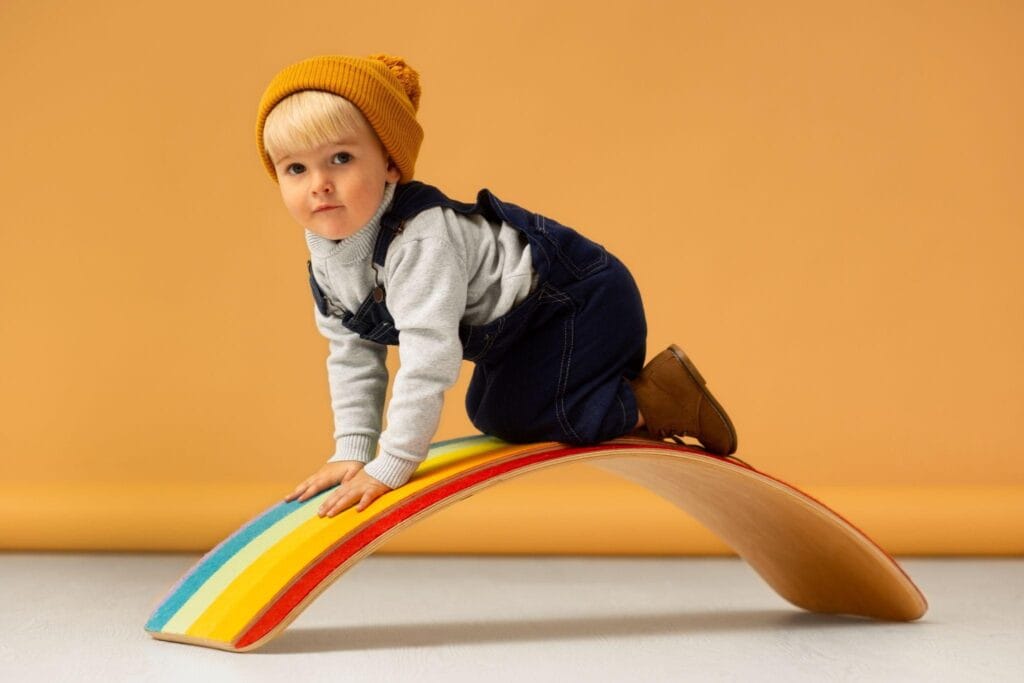
Movement activities such as crawling, hopping, and stretching help refine both fine and gross motor skills development. They also enhance coordination, balance, and spatial awareness — vital for school readiness.
Try This:
- Set up a mini obstacle course at home or in class.
- Do animal walks: crab walk, bear crawl, or frog jump.
- Use freeze dance to teach rhythm and self-regulation.
Emotional Benefits of Music and Movement
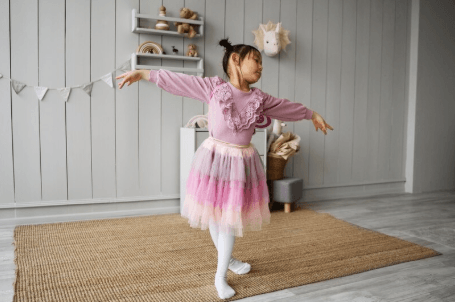
Children often communicate emotions through movement and music before they have the vocabulary to express them. Through toddler dance sessions and free movement, they can experience joy, calm down, or release pent-up feelings.
Ideas to Boost Emotional Growth:
- Use scarves and soft music to represent feelings (fast = happy, slow = sad).
- Morning toddler dance sessions to uplift mood.
- Encourage children to invent movements to music they choose.
Integrating Music and Movement into Daily Routines
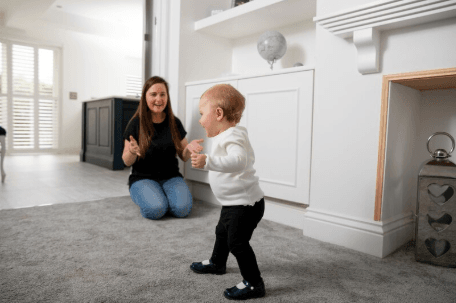
You don’t need a studio or expensive tools to engage in early childhood music and movement activities. Incorporate them into everyday routines at home, preschool, or daycare.
Everyday Integration:
- Turn clean-up time into a sing-along or toddler dance challenge.
- March or clap in rhythm while walking between rooms
- Create simple “stretch and sing” routines for transitions.
Long-Term Impact on Early Childhood Development
Research supports what many caregivers instinctively know: early childhood music, paired with rich movement activities, contributes to stronger emotional regulation, better motor skills development, and improved cognitive performance.
Conclusion
From enhancing focus to strengthening little limbs and soothing emotions, music and movement are essential for Early Childhood Development. So, press play, get moving, and let children learn through joy. Because every bounce, clap, and spin is a step toward a stronger, smarter, and happier child.